In Rishtan the kiln door swings open and the heat reaches you before the colour does — and then there it is, that impossible Silk Road blue, still warm, still smelling faintly of clay and apricot wood. The potter turns the bowl in his hands the way his grandfather did, and for a moment you understand that in Uzbekistan the Silk Road is not a museum. It is a workshop, and the door is open.
Most travellers come to Uzbekistan for the domes. They leave remembering the hands. Because between Samarkand, Bukhara and the Fergana Valley, in villages that tour buses usually rush past, generations of craftspeople still fire, weave, carve and hammer — and they are happy to put their tools in your hands.
Rishtan ceramics: Uzbekistan’s famous blue, still fired by hand
In the Fergana Valley town of Rishtan, family kilns have produced the country’s signature turquoise-and-cobalt ceramics for centuries. The glaze colour comes from local mineral pigments and the ash of mountain plants — a recipe handed down through families rather than written down. Visitors are welcome in family workshops: sit at the wheel, throw a bowl, watch a master paint a lyagan platter freehand in one continuous line, and ship the finished piece home.
For German-speaking travellers planning a Usbekistan Rundreise, Rishtan is the moment the trip stops being sightseeing and becomes meeting people.
Margilan silk and ikat: a living craft recognised by UNESCO
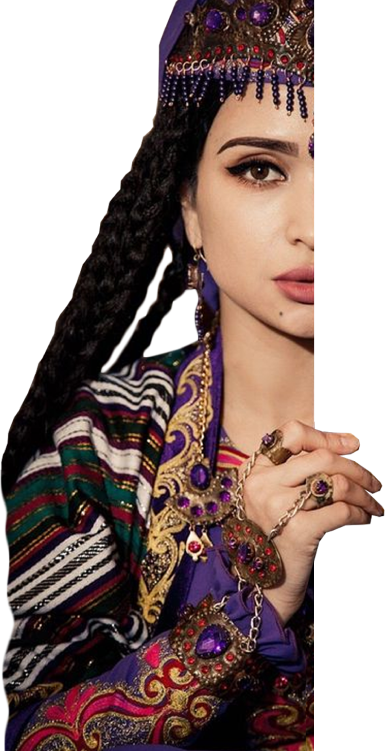
An hour away in Margilan, the looms have not stopped in a thousand years. Here silk cocoons are boiled, unwound, tie-dyed in bundles and woven into adras and atlas ikat — the blurred-edge rainbow fabric that became Central Asia’s calling card. In 2017 UNESCO registered the safeguarding methods of the Margilan Crafts Development Centre as a best practice in protecting intangible cultural heritage.
Watching a weaver throw the shuttle, listening to the wooden clatter fill a courtyard shaded by grapevines — this is the kind of Silk Road experience that photographs badly and remembers forever.
Bukhara and Khiva: Goldsmiths, Carpets and Carved Doors
In Bukhara, the domed trading arcade Toki Zargaron has sheltered jewellers since the sixteenth century, and it still does. A few streets away, weavers knot silk carpets on vertical looms and metalworkers chase patterns into copper by ear as much as eye. In Khiva’s walled Ichan-Kala, woodcarvers cut elm doors and columns in patterns that have not changed since the khans.
These are the details that turn a route into a story: not just Registan and Kalon Minaret, but the smell of a workshop and the name of the man who made the thing on your shelf at home.
Why Autumn 2026 Is the Right Time for a Silk Road Journey
Timing matters. September and October bring warm days, cool evenings and the fruit harvest — melons, figs, grapes piled at every bazaar — which is exactly when the craft villages are busiest and most alive. Getting here has also never been simpler: German, Austrian and Swiss passport holders travel visa-free for short stays, and Uzbekistan’s Afrosiyob high-speed trains link Tashkent, Samarkand and Bukhara in a couple of comfortable hours, leaving your energy for the workshops instead of the road.
The country welcomed 11.7 million foreign visitors in 2025, and the national Tourism Committee expects around 12 million in 2026. The craft villages are still uncrowded. That will not last indefinitely.
Travel With a Licensed Local Operator
GoUzbekistan is the brand of Lochin Express Plyus LLC, operating in tourism since 2007 with offices in Tashkent and Bukhara, and holding tour-operator and domestic tourism licence No. 662280, issued 13 March 2025 by the Committee for Tourism Development of the Republic of Uzbekistan. Our Bukhara team works a short walk from the workshops we take our guests to, which is why our craft routes include masters who do not appear in guidebooks.
We build private, small-group and white-label programmes: transport, licensed guides, hand-picked hotels, workshop sessions booked directly with the artisan families.
Ready to meet the makers? Create your own custom tour and tell us how much time you want at the wheel and the loom — or explore our tours to see how a craft-focused Silk Road journey comes together.
Plan your Uzbekistan trip — in your language
العربية
السياحة في أوزبكستان ليست قباب سمرقند فحسب: في ريشتان ما زالت أفران الفخار مشتعلة، وفي مرغيلان تُنسج أقمشة الحرير والإيكات يدويًا. صمّم رحلتك الخاصة إلى أوزبكستان.
Deutsch
Eine Usbekistan Reise entlang der Seidenstraße ist mehr als Samarkand und Buchara: In Rishtan brennen die Töpferöfen, in Margilan klappern die Webstühle. Erleben Sie das Handwerk hautnah auf Ihrer Seidenstraße Rundreise. Jetzt individuelle Usbekistan Rundreise planen.
Español
Viajar a Uzbekistán es mucho más que Samarcanda: en los talleres de Rishtan y Margilan la Ruta de la Seda sigue viva entre hornos de cerámica y telares de seda. Diseñe su viaje a medida a Uzbekistán con un operador local con licencia.
Français
Un voyage en Ouzbékistan sur la Route de la Soie, c’est aussi une rencontre avec des ateliers vivants : la céramique bleue de Rishtan, la soie ikat de Margilan, les ornements de Boukhara et de Samarcande. Créez votre circuit sur mesure en Ouzbékistan.
中文
乌兹别克斯坦旅游不只是撒马尔罕的蓝色穹顶。在里什坦的陶窑与马尔吉兰的丝绸作坊, 丝绸之路的手工技艺依然鲜活。立即定制您的乌兹别克斯坦专属行程.
Русский
Туры в Узбекистан — это не только Самарканд и Бухара. В Риштане до сих пор горят гончарные печи, в Маргилане ткут шёлк-икат: Шёлковый путь живёт в мастерских. Составьте индивидуальный тур по Узбекистану.